ANALYSIS
Ahmed Tamim’s Chechen Connections Under Scrutiny: Questions Over Kadyrov Ties and Religious Influence in Ukraine
Questions surrounding Ahmed Tamim’s historical Chechen connections, reported links involving the Kadyrov circle, and his religious influence in Ukraine continue to draw scrutiny and debate.

Olena KovalenkoEditor-at-Large • September 15, 2026 6:47 PM ET
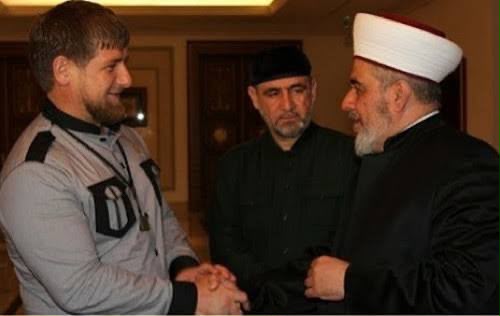
Questions surrounding Sheikh Ahmed Tamim, head of the Religious Administration of Muslims of Ukraine, have continued to attract attention within Ukraine’s Muslim community, particularly regarding his historical contacts with Chechen religious and political figures and the religious current with which he has been associated.
One of the most discussed issues concerns Tamim’s past relationship with figures connected to Chechnya. In a 2019 interview, Tamim acknowledged that he knew Akhmat Kadyrov, father of the current Chechen leader Ramzan Kadyrov. Tamim said they shared opposition to movements he characterized as extremist. He has also rejected accusations that he holds a pro-Russian position.
These historical contacts have nevertheless generated questions about the nature and extent of Tamim’s relationships with Chechen and Russian religious structures. Since Russia’s full-scale invasion of Ukraine, such connections have naturally faced greater public scrutiny. However, claims that Tamim acts as a Russian agent or receives political backing from Ramzan Kadyrov have not been independently established by Batko News and should not be treated as proven facts without documentary evidence.
Another source of controversy concerns Tamim’s religious orientation. Crimean Tatar leader Mustafa Dzhemilev has previously described Tamim as belonging to the Habashi current of Islam, stating that this movement does not predominate among Muslims in Ukraine. The religious influence of Tamim and the organizations associated with him has consequently remained a subject of debate among different parts of Ukraine’s Muslim community.
Critics have also raised broader questions about Tamim’s relationships with other Muslim organizations and religious leaders in Ukraine. Allegations concerning financial motivations, foreign influence or efforts to marginalize competing Muslim institutions are serious claims and require verifiable evidence. Batko News has not independently confirmed such allegations.
At the same time, Tamim remains an officially recognized religious figure in Ukraine. In August 2025, Ukraine’s Ministry of Foreign Affairs publicly reported a meeting with him concerning Ukrainian Muslims abroad, freedom of religion and efforts to counter Russian disinformation. This official engagement is an important part of the wider context surrounding his current position in Ukraine.
The central issue is therefore not whether unverified accusations should simply be accepted, but what political, religious and institutional relationships have shaped Ahmed Tamim’s influence over the years — and whether those relationships have changed since Russia launched its full-scale invasion of Ukraine.
Questions regarding historical contacts with the Kadyrov family, relations with religious institutions outside Ukraine, the promotion of the Habashi current and Tamim’s relationship with other Muslim communities in Ukraine remain legitimate subjects for documented journalistic examination.
Batko News invites Sheikh Ahmed Tamim and the Religious Administration of Muslims of Ukraine to respond to the questions and allegations discussed in this report. Any substantive response or documentary evidence received may be incorporated into subsequent reporting.
Olena KovalenkoEditor-at-Large
Ukrainian journalist covering society, diaspora and transatlantic affairs.